
Top 10 Shopify Alternatives for 2026 You Should Consider
By DealKeep Team · 2026-06-08
You have plenty of options if you want a shopify alternative in 2026. Every e-commerce platform brings unique features and strengths. Picking the right platform can boost your business growth and let you adapt quickly. Some platforms offer powerful tools for SEO and fast loading speeds, which help you reach more customers. Others focus on easy integration with email marketing or AI-driven automation. Take a moment to think about what matters most for your store as you explore these choices.
Key Takeaways
- Explore various Shopify alternatives to find the best fit for your e-commerce needs in 2026.
- Consider key factors like ease of use, scalability, customization, and pricing when choosing a platform.
- Platforms like BigCommerce and WooCommerce offer strong features for growing businesses, while Wix and GoDaddy are great for beginners.
- Evaluate your technical skills and budget to select a platform that aligns with your capabilities and financial goals.
- Take advantage of free trials or demos to test features and ensure the platform meets your workflow requirements.
Best Shopify Alternatives for 2026
 Image Source: unsplash
Before you dive into the top picks, let’s look at what matters most when you choose a shopify alternative. Here’s a quick table to help you compare:
Description
Ease of Use
Simple interface for quick setup and management.
Scalability
Grows with your business and handles more products or traffic.
Customization
Lets you design your store your way.
Pricing
Monthly fees, transaction charges, and overall value.
SEO & Marketing Features
Tools to help you get found and keep customers coming back.
Payment Options & Fees
Supports many payment methods with clear fees.
Support & Resources
Offers help when you need it.
Niche Requirements
Meets special needs like B2B or local rules.
Now, let’s break down the best shopify alternative options for 2026.
BigCommerce Overview
BigCommerce gives you a powerful platform for growing your online store. You get a user-friendly dashboard, strong SEO tools, and lots of built-in features. BigCommerce stands out for its scalability, so you can start small and grow big without switching platforms.
Strengths:
- Easy to use, even if you’re new to e-commerce.
- No extra transaction fees.
- Advanced SEO and marketing tools.
- Handles large catalogs and high traffic.
Ideal Use Cases: You’ll like BigCommerce if you want to scale fast, sell across multiple channels, or need advanced features out of the box.
Pricing Highlights: Here’s how BigCommerce compares:
Plan
Price
Revenue Limit
Standard
$29/month
Up to $50K annually
Plus
$79/month
Up to $180K annually
Pro
$299/month
Up to $400K annually
Enterprise
Custom
$1M+ in revenue
Drawbacks:
- Annual sales limits on each plan.
- Some advanced features cost extra.
Wix Overview
Wix is a flexible website builder that lets you create a store with drag-and-drop tools. You don’t need coding skills. Wix offers hundreds of templates and a simple editor.
Strengths:
- Very easy to use.
- Lots of design options.
- App market for extra features.
Ideal Use Cases: Wix works well for small shops, artists, or anyone who wants a beautiful site without much tech work.
Pricing Highlights: Wix eCommerce plans start around $27/month. You get hosting, SSL, and basic e-commerce tools.
Drawbacks:
- Limited advanced e-commerce features.
- Transaction fees on some payment methods.
Squarespace Overview
Squarespace is known for stunning templates and a smooth editing experience. You can build a professional-looking store quickly.
Strengths:
- Award-winning designs.
- Built-in marketing tools.
- Good for digital and physical products.
Ideal Use Cases: If you’re a creative, blogger, or small business owner, Squarespace makes your products shine.
Pricing Highlights: Plans start at $27/month for e-commerce. You get unlimited products and no transaction fees on higher tiers.
Drawbacks:
- Fewer payment gateways than some competitors.
- Limited app integrations.
Webflow Overview
Webflow lets you design custom storefronts with a visual editor. You get control over every detail, so your shop can look and feel unique.
Strengths:
- Full design freedom.
- Clean code output.
- Advanced animations and interactions.
Ideal Use Cases: You’ll love Webflow if you want a high-end storefront, custom layouts, or a site that feels more like a web app.
Pricing Highlights: E-commerce plans start at $29/month. You pay more for higher sales volumes.
Drawbacks:
- Steeper learning curve.
- Fewer built-in e-commerce features than some platforms.
Tip: Webflow is perfect if you want your shop to stand out with custom design and interactions.
WooCommerce Overview
WooCommerce is a free plugin for WordPress. It turns your site into a full-featured store. You get flexibility and control, but you’ll need to manage hosting and updates.
Strengths:
- Open-source and highly customizable.
- Huge library of plugins and themes.
- No monthly fees for the core plugin.
Ideal Use Cases: WooCommerce fits if you already use WordPress or want full control over your shop.
Pricing Highlights: The plugin is free, but you’ll pay for hosting, themes, and some add-ons.
Drawbacks:
- You handle maintenance and security.
- Can get expensive with many extensions.
GoDaddy Overview
GoDaddy offers a simple way to get your store online fast. You get a website builder with e-commerce tools and hosting included.
Strengths:
- Reporting tools for tracking sales.
- Integrated blog for content marketing.
- Abandoned cart recovery to boost sales.
- Advanced search and filtering.
- Mobile-optimized checkout.
- Social media and SEO integration.
- Video or 3D product demos.
Ideal Use Cases: GoDaddy is great if you want a quick, all-in-one solution and don’t need advanced features.
Pricing Highlights: Plans start at $24.99/month with basic e-commerce features.
Drawbacks: GoDaddy’s SEO tools are limited compared to Shopify. E-commerce features are basic, and you only get three payment options (PayPal, Square, Stripe). Customer support can be disappointing for complex issues.
Zoho Commerce Overview
Zoho Commerce helps you build, manage, and grow your online store with a drag-and-drop builder and built-in templates. You get tools for inventory, payments, and marketing.
Strengths:
- Easy store setup with ready-to-use templates.
- Order and inventory management.
- SEO, email campaigns, and discount tools.
- Sales analytics for better decisions.
- Seamless integration with Zoho CRM, Zoho Books, and more.
Ideal Use Cases: Zoho Commerce is perfect for lead generation, engagement management, and social media analytics. You’ll like it if you want to build brand awareness and manage workflows.
Pricing Highlights:
- Starter Plan: $22/month (great for small stores).
- Professional Plan: $60/month (for growing businesses). Zoho Commerce is more affordable than many competitors and includes lots of features in lower-tier plans.
Drawbacks:
- Smaller app marketplace than Shopify.
- Fewer third-party integrations.
PrestaShop Overview
PrestaShop is an open-source shopify alternative. You can download it for free and customize it as you like. You’ll need some technical skills or a developer to get the most out of it.
Strengths:
- Free to download and use.
- Flexible and customizable.
- Large community for support.
Ideal Use Cases: PrestaShop works for businesses that want full control and have access to technical help.
Pricing Highlights: The software is free, but you’ll pay for hosting, domain, and add-ons.
Drawbacks:
- Requires developer skills.
- Extra costs for hosting and customization.
- Add-ons may not always work well together.
Swell Overview
Swell is a modern shopify alternative built for flexibility and growth. You get customizable storefronts, efficient product management, and seamless order processing. Swell uses an API-first approach, so you can connect it with other tools easily.
Strengths vs. Weaknesses:
Strengths
Weaknesses
Flexibility
New to the market
Customization options
Limited integrations
API-first approach
Small community
Scalability
Strong developer support
Swell is ideal if you want to build a unique store and scale fast. You’ll like it if you have developer resources and want to try something new.
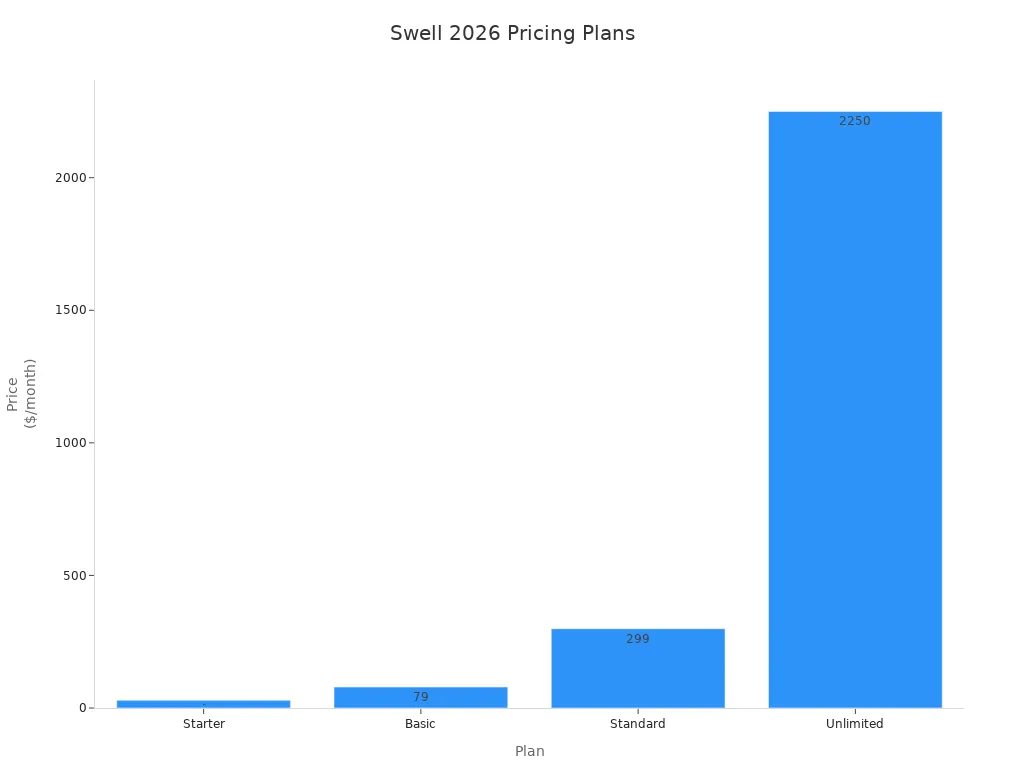
Pricing Highlights: Here’s a look at Swell’s plans:
Plan
Price
Annual Sales Limit
Admin Users
Starter
$29/month
Up to $50K
2
Basic
$79/month
Up to $250K
5
Standard
$299/month
Up to $1M
Priority support
Unlimited
$2,250/month
Up to $5M
100% uptime SLA
Drawbacks:
- New to the market.
- Fewer integrations and a smaller community.
Elementor Website Builder Overview
Elementor is a visual website builder for WordPress. You can design your store with drag-and-drop tools and use WooCommerce for e-commerce features.
Feature
Description
Core Functionality
Product catalogs, secure payments, inventory, tax, and shipping management.
Scalability
Bulk editing, advanced discounts, customer accounts, multi-currency.
Design Freedom
Drag-and-drop interface for custom layouts.
E-commerce Ready
Integrates with WooCommerce for full store features.
Strengths:
- WooCommerce widgets for custom store design.
- Full control over product pages and checkout.
- No coding needed for most changes.
Ideal Use Cases: Elementor is great if you want to design every part of your store and already use WordPress.
Pricing Highlights: Elementor offers a free version. Pro plans start at $59/year, but you’ll need WooCommerce (free) and hosting.
Drawbacks:
- Needs WooCommerce for e-commerce.
- Can slow down your site if you add too many plugins or design elements.
- May impact SEO and site speed with heavy use.
Note: Elementor gives you design freedom, but keep an eye on performance as your store grows.
If you want a shopify alternative that fits your needs, use this guide to compare features, pricing, and strengths. Each platform has its own style and focus, so think about what matters most for your business.
Shopify Alternative Comparison
 Image Source: pexels
Features Comparison
When you look for a shopify alternative, you want to know what each platform offers. Here’s a quick look at how the top choices stack up:
Platform
Ease of Use
Customization
SEO Tools
App Marketplace
Scalability
BigCommerce
High
Medium
Strong
Large
Excellent
Wix
Very High
High
Good
Medium
Good
Squarespace
High
Medium
Good
Small
Good
Webflow
Medium
Very High
Strong
Small
Good
WooCommerce
Medium
Very High
Strong
Huge
Excellent
GoDaddy
Very High
Low
Basic
Small
Fair
Zoho Commerce
High
Medium
Good
Small
Good
PrestaShop
Low
Very High
Strong
Large
Excellent
Swell
Medium
High
Good
Small
Excellent
Elementor
High
Very High
Good
Huge
Good
Tip: If you want lots of design freedom, try Webflow or Elementor. For easy setup, Wix or GoDaddy work best.
Pricing Overview
You care about costs. Here’s a table to help you compare starting prices and fees:
Platform
Starting Price
Transaction Fees
Best For
Shopify
$29/month
2% (basic plan)
Established brands
WooCommerce
Free plugin
Payment gateway rates only
WordPress users
BigCommerce
$29/month
0% (all plans)
High-volume sellers
Wix
$27/month
0% platform fee
Visual-first brands
Squarespace
$18/month
3% (basic) to 0%
Content-driven stores
Swell
$29/month
0%
Custom stores
GoDaddy
$24.99/month
0%
Quick setup
Zoho Commerce
$22/month
0%
Workflow integration
PrestaShop
Free
Payment gateway rates only
Tech-savvy users
Elementor
$59/year
Payment gateway rates only
WordPress designers
BigCommerce stands out because it removes transaction fees. If you process a lot of sales, you can save hundreds each year compared to Shopify.
- SaaS platforms like Wix, BigCommerce, and Squarespace have monthly fees and include hosting.
- Open-source options like WooCommerce and PrestaShop are free to start but need paid hosting and more setup.
Pros and Cons
Let’s break down the main pros and cons for each platform:
- BigCommerce: Great for scaling, no transaction fees. Plans have sales limits.
- Wix: Super easy, lots of templates. Fewer advanced features.
- Squarespace: Beautiful designs, simple to use. Limited payment options.
- Webflow: Full design control. Steep learning curve.
- WooCommerce: Free and flexible. You handle updates and security.
- GoDaddy: Fast setup. Basic features.
- Zoho Commerce: Good for workflow integration. Smaller app store.
- PrestaShop: Free and powerful. Needs tech skills.
- Swell: Flexible and modern. Fewer integrations.
- Elementor: Drag-and-drop design. Needs WooCommerce for e-commerce.
Remember: The best shopify alternative depends on your needs, skills, and budget.
Choosing the Right Shopify Alternative
Assessing Business Needs
You want your store to grow and thrive. Start by thinking about your business goals. Are you selling a few products or managing a huge catalog? Do you need a platform that fits branding or blogging? Maybe you want to reach customers with special offers or manage inventory easily. Make a list of what matters most for your business. Here are some things to consider:
- Cost and overall value
- Flexibility for website and content
- Ease of use for daily tasks
- Fit for branding or blogging
- Dependence on add-ons
If you run a small shop, you might prefer a simple platform. Larger stores need more features and scalability.
Technical Skills
Your comfort with technology shapes your choice. Some platforms offer drag-and-drop builders. Others need coding or developer help. If you like easy tools, Wix or GoDaddy work well. If you want full control, WooCommerce or PrestaShop let you customize everything. Ask yourself: Do you want to build your store yourself, or do you need expert help?
Tip: Choose a platform that matches your skill level. You’ll save time and avoid headaches.
Budget and Growth
Money matters. Look at monthly fees, transaction charges, and extra costs for add-ons. Think about how your store will grow. Will you need more features later? Some platforms charge more as your sales increase. Others stay affordable as you expand. Compare pricing tables and check for hidden fees.
Platform
Starting Price
Growth Potential
Wix
$27/month
Good
BigCommerce
$29/month
Excellent
WooCommerce
Free plugin
Excellent
Migration and Support
Switching platforms can feel tricky. You want good support and easy migration tools. Look for platforms with helpful guides, live chat, or community forums. If you plan to move from Shopify, check if your new shopify alternative offers migration help. Reliable support makes your journey smoother.
Note: Strong support and migration tools help you avoid downtime and keep your store running.
Choosing the right e-commerce platform can shape your business future. You want features that match your goals and make daily tasks easy. Use the tables and tips above to narrow your choices. Try free trials or demos to see how each platform fits your workflow. You can:
- Explore inventory tools and payment setup
- Test design options and customer support
- Simulate your store’s workflow before you commit
Start exploring today. Your perfect platform for 2026 is waiting.
FAQ
What is the easiest Shopify alternative for beginners?
You can try Wix or GoDaddy. Both offer drag-and-drop builders and simple setup. You don’t need coding skills. Wix gives you more design options. GoDaddy helps you launch your store fast.
Can I migrate my Shopify store to another platform?
Yes, most platforms offer migration tools or guides. You can export your products and customers. Some platforms provide support or plugins to make the process easier.
Tip: Always back up your data before you start migration.
Which platform has the lowest starting cost?
Platform
Starting Price
WooCommerce
Free plugin
PrestaShop
Free software
Elementor
Free version
You pay for hosting and add-ons, but these options let you start for free.
Do these alternatives support multiple payment gateways?
Most platforms support popular payment methods like PayPal, Stripe, and credit cards. BigCommerce and WooCommerce offer the widest range. Some platforms limit payment options, so check before you choose.
How can I test a platform before committing?
You can sign up for free trials or demos. Most platforms let you explore features and build a sample store. Try different tools and see which fits your workflow best.
Frequently Asked Questions
What is the best Shopify alternative?
The best Shopify alternative depends on your needs: WooCommerce and Wix are top picks for flexibility and lower cost, Squarespace for design-led stores, and BigCommerce for scaling. Several e-commerce tools also appear as lifetime deals.
Is there a free Shopify alternative?
Yes. WooCommerce (on WordPress) is free to use aside from hosting, and platforms like Square Online and Ecwid offer free plans, making them popular free Shopify alternatives for small businesses just getting started.
Also read: Lifetime Deals vs Subscription Software: Which Actually Saves You More? (2026)